Thoughts on AI in chemical distribution: what's working, what to skip, and how operators are putting it to use.
My take on why the OpenAI vs Anthropic app race is their fight to win, not yours, and why picking one tool and actually using it for 90 days beats a long platform evaluation.
Anthropic connected its top model to more than 60 scientific databases turning AI from an email and meeting tool into one built for actual research.
AI is becoming less in-your-face and more operating in the background. Using it as a tool to alleviate your customer's pain points can make it easier to do business with you. Labcorp uses it to let you interact with your lab results, without waiting for a doctor.
Claude sending email can be scary. Anthropic put a few guardrails in-place to help admins sleep easier at night.
Why agent pilots fail: teams skip the baseline, time, error rate, human effort, before automating a process that was never redesigned for it.

A startup's automated kiosk fills prescriptions in 30 seconds with no pharmacist on site, and the rules haven't caught up to the technology yet. Chemical distribution, one of the most regulated industries around, should expect that same gap.
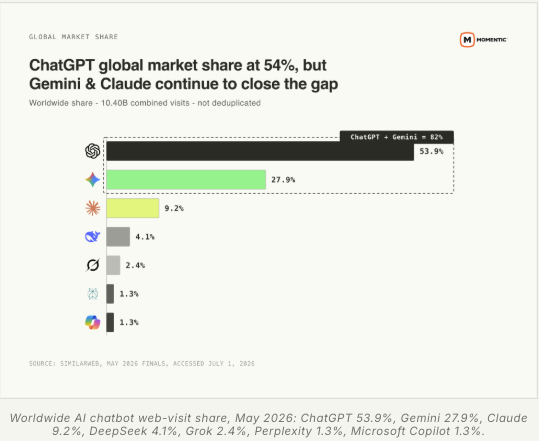
ChatGPT's chatbot market share fell from 76.5% to 53.9% in 15 months while Gemini's nearly quintupled and it reinforces my AI Orchestra approach to AI Tools.
Alteryx's new Agent Studio lets an analyst turn their own workflow into an AI agent without IT, and it backs up exactly what I have been saying: we sell chemicals, but we manage data.
An AI model caught a 30-year-old security flaw in widely used software that generations of human reviewers missed. For distributors running old, untouched ERP systems, that is both a chance to find hidden risk and a warning that attackers have the same tool.
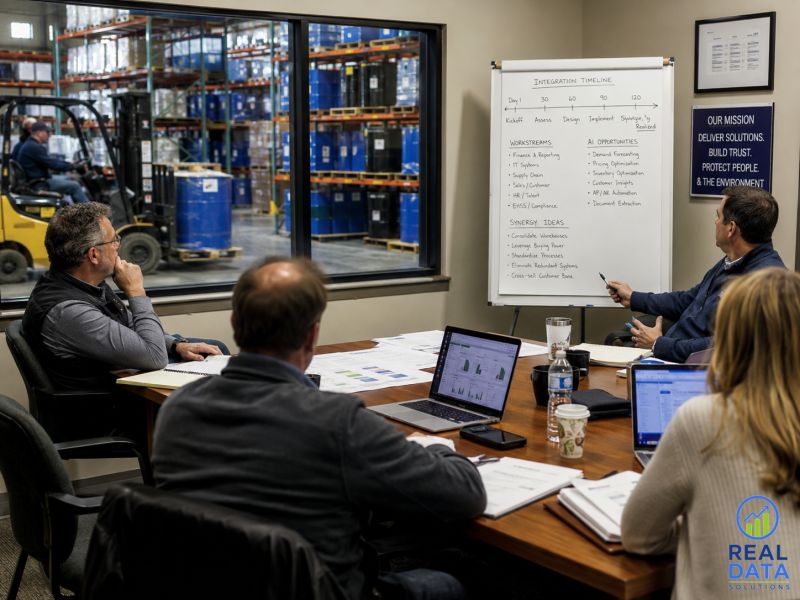
95% of PE funds say AI already met or beat the business case, yet only 7% of portfolio companies run it at scale. Buyers are pricing that gap into the multiple, and training the team early is what closes it.
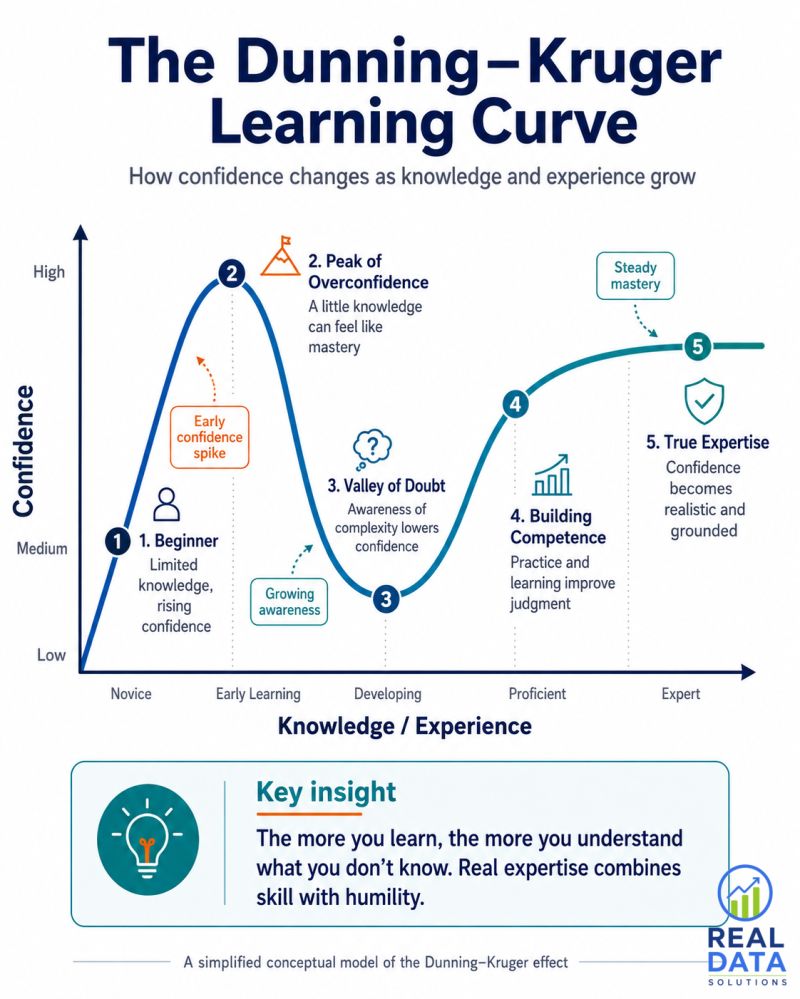
A study found the most confident AI users misjudge their own results the most, and I see the same pattern on sales teams after one good output. The skill worth building now is judgment, what to feed the tool, what to delegate, and how to catch a wrong answer.
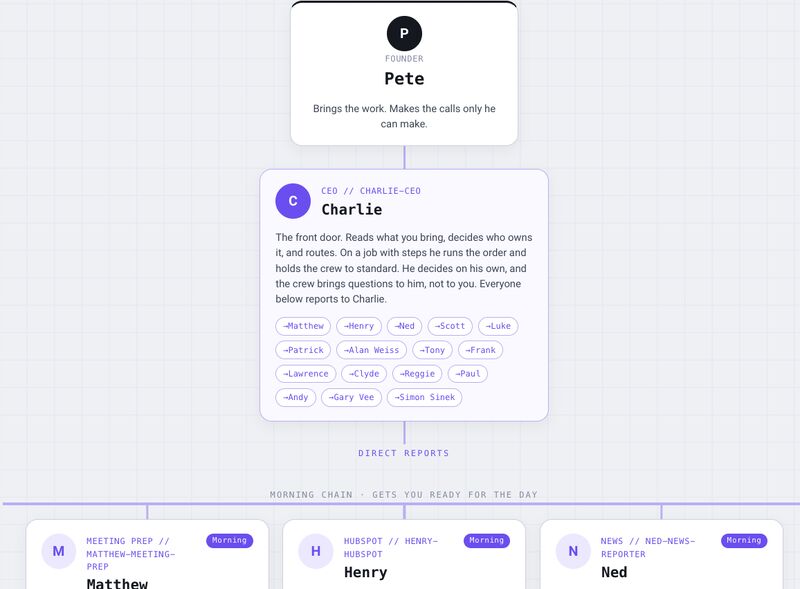
I built a 17-agent virtual team inside Claude, from a research analyst to a virtual CEO, to run Real Data Solutions day to day. Running a one-person company entirely on AI raises the bar before I need real employees.